Showing posts with label virality. Show all posts

Friday, August 30, 2013

Nothing is certain but death and Facebook algorithm changes


Yes that’s right – the algorithm has changed again. But unlike the changes made in September 2012 this round of changes has flown under the radar – perhaps overshadowed by the way more exciting (and easy to understand) announcement that pages can now run competitions without requiring a third party app.

That’s not to say that there isn’t still a place for the good ol’ app – which this infographic from allfacebook outlines really clearly. And of course there is still the minor issue of the law and the need to provide terms, conditions and privacy statements.

But I digress. The algorithm changes have flown under the radar because they are largely beneficial for most brand pages.

Previously Edgerank was based on three factors – affinity, weight and time decay – that determined whether any one status update would be seen by any one person. That’s now changed and there are reportedly a myriad of factors that are now taken into consideration. Two of the main ones being talked about are Last Actor and Story Bumping.

Last Actor looks at the last 50 interactions you’ve had on Facebook, then gives new posts from those people or brand pages priority on your newsfeed. Pages who post frequently will be rewarded – and those that are targeting the most active demographics need to post more frequently to stay visible.

But it’s not just about quantity. Facebook will also assess the quality of your post and demote content that is ‘engagement baiting’ just to get likes. Brands will need to come up with something better than ‘like this if you like fluffy kittens’ and the world will be a better place for it. Facebook haven’t quite said how they will do this, but brands that thrive on this type of content can expect to see engagement rates drop away.

The second factor – Story Bumping – works like this. If a page you regularly interact with posts some content and it’s getting good interaction, but you’ve found something more interesting to do than log onto Facebook every couple of hours causing that post to slip down your newsfeed – then don’t despair! Facebook will bump that post back up your newsfeed, givi
ng you a second chance to see content that it thinks you want to engage with. This is good news for brands – particularly those that still insist on posting status updates during business hours when only half of their fanbase is actually online.

There are many other factors that matter now. Anyone noticed Facebook prompting you to update sections on your info page? Yep, that’s taken into account too.

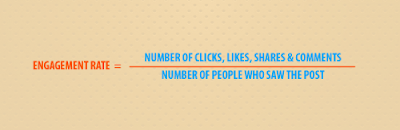
So how will these changes impact on brand page performance? We’ll probably never know because Facebook coincidentally rolled out their new insights platform just before the algorithm change. Virality no longer exists and has instead been replaced with the more all-encompassing ‘Engagement Rate’.
“What’s the difference?” I hear you ask. Quite a lot.

Virality took only the highest quality interactions – those that resulted in a story being created which shared your content with their friends – as being worth counting. All other interactions – usually called ‘other clicks’ in the exportable report – weren’t deemed valuable enough to include. Hence the rise of all those ‘like this if’ posts – unless people engaged in a certain way, they weren’t counted.
http://www.insidefacebook.com/2013/07/29/3-most-useful-metrics-in-the-new-facebook-insights/
Image courtesy of Inside Facebook
The new Engagement Rate – defined as “the percentage of people who liked, comments, shared or clicked on your post after having seen it” is broader, but more worthwhile. If someone clicks on a link through to your competition app (oh, except we don’t need them anymore) or another piece of content you wanted to share – that wouldn’t have been included in virality, but is included in the engagement rate. Someone clicking on an image you have shared because they want to see it in more detail is counted as engagement, but wouldn’t have been included in the old virality metric.

The sound of page admins around the world patting themselves on the backs for a job well done last month was deafening (I wonder how many truthfully explained the reasons for the better results in their reports). But with all the changes Facebook are rolling out, they’ll still need to work hard to make sure Facebook continues to deliver results for their clients.

Thursday, October 18, 2012

Facebook - It’s time to put up or shut up (and some tips on how to put up)

Recent changes to Facebook’s Edgerank algorithm has got a lot of people up in arms. Yet again, the social sky is falling. And yet again, I’m here to be the voice of reason.
I was lucky enough the other week to be in a room with some of the Facebook global team where the change to the algorithm was discussed so here’s my take on it all.
Alot of people are saying the change in algorithm combined with the introduction of promoted posts is designed to make brands spend more on paid media to prop up Facebooks revenue and share price. News flash. Brands always did have to spend money on paid media in order to build and maintain successful community.
Facebook say the main reason for the algorithm change is to ensure peoples newsfeeds are filled with the most interesting and relevant content for them. This makes sense - they have a billion customers that they need to keep happy. We’ve all missed that important/exciting status update from a friend because our newsfeed is full of posts from brands that we liked years ago, no longer interact with but are too lazy to unlike.
The impact of this change which was made on 20th September has been significant for those pages that aren’t supported with paid media spend. In some instances we’ve seen reach per status update drop by as much as 24 percentage points. For those pages that are supported by always on paid media, the impact has been minimal.
The good news is engagement rates – particularly virality – have doubled, if not tripled. This makes sense – if Facebook is showing status updates to less people, but those people are the ones most likely to engage, then of course engagement rates will increase.
What Facebook have done is nothing new. Take search as an example. You can put a lot of resource into SEO and use organic search to reach a small group of people who are likely to engage with your brand and not spend a cent on media. Or you can extend your search strategy using media budget to by paid search placements which extend your reach to a much broader – but arguably less interested – audience knowing that at least some of them will engage.
Facebook is no different. Focus on your conversation strategy and you’ll engage with a small group of brand loyalists. Invest in paid media and you’ll extend your reach to a broader, but less engaged, audience.
There are plenty of articles out there on how brands should respond to these changes. Here’s what I think:
1.    Differentiate between reach and engagement. Your conversation calendar drives engagement, your paid media drives reach and growth. If you aren’t supporting your page with paid media, you shouldn’t have reach or growth KPIs.
2.    Engagement is now critical. If you can't support your page with paid media, then you will need to build interactivity (like, comment, share, vote) into your status updates. This will ensure those you are reaching remain engaged, and when you hit that sweet spot with a post that gets great interaction rates your reach will extend to your wider fanbase.
3.    Treat your Facebook page like paid search. Have an always on media budget and upweight when you are in campaign. Buy reach through promoted posts and sponsored stories - but stick to targeting fans only and don't promote every single status update. Just pick the ones that are most important, engaging and on-brand - and make sure they encourage interaction.
4.    Consider your conversation calendar as your engagement strategy. Don’t just turn to building an app for everything. Think about whether you can use interactive conversation to achieve your objectives, or put your app development budget into creating other forms of content.
5.    Integrate your conversation calendar and your paid media schedule. If these are managed by two different people, tell them to get together regularly and plan how one can support the other to deliver the best possible result for the brand.
Brands have had it pretty good on Facebook. They’ve been able to build substantial communities of consumers and been able to engage with them like never before without huge investment. As result the playing field has been leveled - small brands can be just as powerful as their bigger competitors. 
So if brands want to continue to harness the power of Facebook, it’s time to put up. Put up the time. Put up the effort. And put up resources – both human and financial – that are needed to make this channel a success.